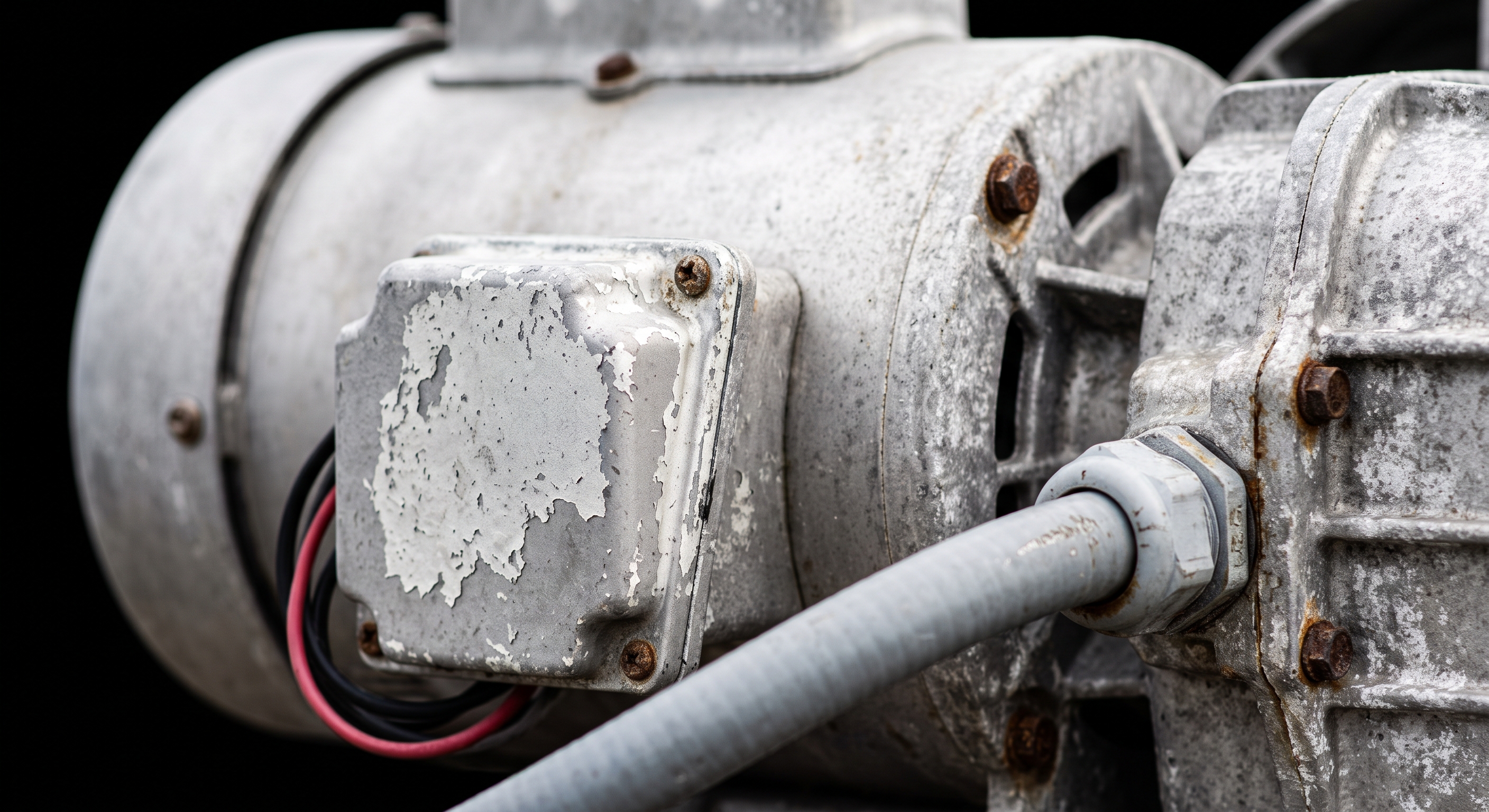
Boat Lift Motor Repair
Boat Lift Motor Repair in Kimberling City
If your lift motor is slow, noisy, or dead, we will get it in front of someone who can find out why.
Boat Lift Motor Repair
If your lift motor is slow, noisy, or dead, we will get it in front of someone who can find out why.
A boat lift that runs slowly, stops unexpectedly, makes unusual sounds, or will not move at all may have a motor problem. Because other lift components can produce similar symptoms, proper troubleshooting matters before replacing anything.
Most lifts here use a 115V or 230V marine-duty motor driving either a direct-drive gearbox or a flat-plate (wildcat) system. When one hums but will not lift, the cause is often a failed starting capacitor — an inexpensive part — rather than the motor itself, though a seized gearbox, jammed cable, water in the windings, or low voltage at the dock outlet can look the same. Testing the capacitor and the electrical supply comes before any recommendation to replace the motor. If you are hearing a new noise or noticing a change in lifting performance, it is better to investigate before continued use causes additional wear.
Motor problems can show up in several ways. Diagnosis starts with the symptoms, then works through the components that could be contributing to the problem.
Classic sign of a dead starting capacitor, but a seized gearbox or pulley, a jammed cable, or low dock voltage can cause it too. Worth testing before any parts get replaced.
Often the weatherproof disconnect switch, a tripped dock GFCI or breaker, or a corroded connection rather than the motor. Tracing the circuit from the dock panel out is usually what finds it.
Grinding or clicking usually points to a worn gearbox or a dry drive-end bearing. A rhythmic knock under load can be the flat-plate drive or a pulley.
A weak capacitor, worn brushes or bearings, water intrusion, or an undersized or corroded power run to the dock can all make a lift labor or cut out.
| Service | Estimated Cost | Average |
|---|---|---|
| Motor troubleshooting | $150–$350 | $250 |
| Minor motor repair | $250–$650 | $450 |
| Motor replacement labor | $350–$900+ | $600 |
These are general planning estimates, not quotes. Actual cost depends on the lift, motor, access, parts, condition, and work required.
A good contractor looks for the reason a motor is failing instead of assuming the motor itself needs replacing.
Humidity and winter moisture corrode capacitors, switch contacts, and motor windings on Table Rock Lake docks. Those are the first places a good contractor looks.
You should get a clear explanation of what was found, so you can make an informed decision about repair or replacement.
If your boat lift motor is not behaving normally, let us get someone out to take a closer look.
Free — no obligations
Tell us what the lift is doing, including unusual sounds, slow movement, or when the problem started.
The contractor examines the motor and related components to narrow down the cause of the problem.
The contractor walks you through the condition of the lift and the repair options that make sense for it.
Once you approve the repair, the contractor addresses the issue and runs the lift to confirm it operates correctly.